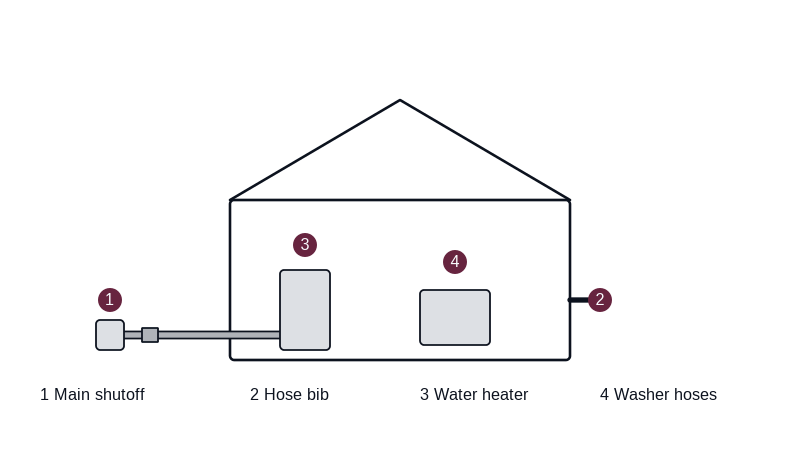
Four habits keep a pipe from bursting: find the main shutoff and try it out, deal with small leaks before they spread, swap out pipe that is wearing out with age, and get the water pressure and hammer looked at. Freezing is a minor risk around Bell, so wear and corrosion matter more. Slauson Plumbing's home page lists the leak and pipe work we arrange if you need help with any of it.
What makes pipes burst in a Bell home?
Most bursts here come from pipe that has worn thin, not from cold. Corrosion eats galvanized steel and sometimes copper from inside, joints and fittings fail with age, and pressure spikes from water hammer or a faulty regulator stress weak spots. Roots and shifting soil can also crack buried lines.
Homes in this area were often built between the 1920s and the 1950s, so some supply lines are old. Galvanized pipe clogs with rust and thins at the threads, and a pipe that looked fine for years can split under an ordinary pressure surge. A cold snap can still freeze exposed outdoor pipes, such as hose bibs and irrigation lines. On dense lots with duplexes and backyard units, shared or newly added lines bring extra joints and unions where trouble starts.
The page on what causes a pipe burst goes through each cause in detail.
Do you know where the main shutoff is, and does it still close?
Track down the main shutoff valve today, close it, and open it again once. It is often on the front wall near the hose bib, in a garage or utility closet, or beside the water meter in the front yard. Recognizing it by sight shortens a flood to a brief event, since each minute of running water adds more damage.
Retest it yearly. Old gate valves seize from mineral buildup, and one that will not shut during an emergency ought to be replaced before the day you need it. A ball-style valve closes with a quarter turn and is easier to trust. Replacing a main shutoff usually means cutting water at the street or meter, which is not a do-it-yourself step, so a plumber should handle it. Hang a tag on the valve so a tenant or neighbor can find it fast.
What early warnings come before a pipe bursts?
Watch for stains on walls or ceilings, damp cabinet floors, a musty smell, rusty or brown water, low pressure at a single fixture, hissing or banging in the walls, and a water bill that keeps rising for no clear reason. Any of these can signal a failing pipe or joint, and each costs less to address early.
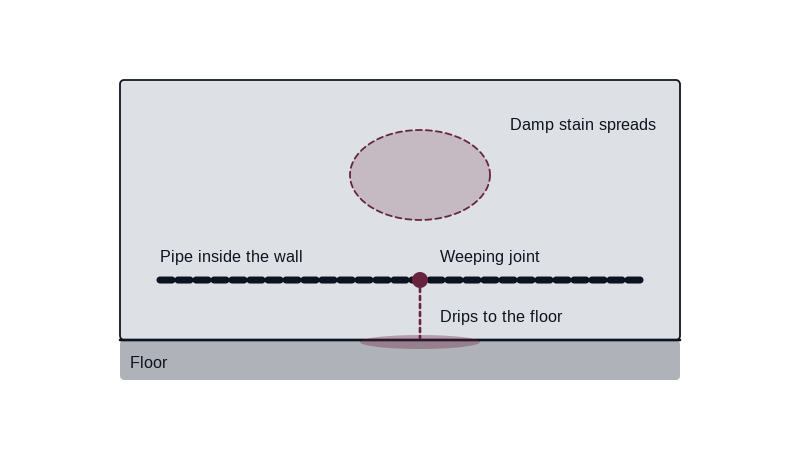
A leak found early costs far less than a burst. The EPA estimates that household leaks lose upward of 9,300 gallons a year, and a small drip inside a wall can weaken a pipe over time. Try the meter test occasionally: turn everything off, write down the reading, wait two hours and compare. A dial that has moved points to a leak. The guide to a large bill with no leak in sight walks through it.
What should you inspect every year?
Inspect hose bibs, water heater connections, supply hoses under sinks and behind the washing machine, toilet supply lines and the area around the meter. Replace any braided hose that bulges, shows rust at the fittings or is older than a few years, because a hose failure releases full flow.
Washing machine hoses fail often since they hold pressure all day, so close the machine's valves before a long trip. Check pipes in garages and crawlspaces for green crust, rust stains or wet insulation. Examine the water heater too: a leak at the base, rust on the fittings or a dripping relief valve are all warnings. The page on water heater leaks covers that case.
Can high pressure or water hammer split a pipe?
Yes. Too much pressure strains every joint, and hammer, the knock heard when a valve snaps shut, sends a shock wave along the line. Neither bursts a healthy pipe immediately, but both shorten its life. A plumber can measure pressure by gauge, then check or replace a pressure regulator or fit a hammer arrestor.
Pressure at your home depends on the supply and on any regulator at the main. We have no pressure number to quote, so have a plumber test with a gauge at an outdoor tap. If you hear banging when the washer fills or a tap shuts, the page on water hammer sound explains the fix. A reading that is high or varies suggests the regulator is failing.
When is old pipe due for replacement?
Replace it once leaks keep recurring, water shows rust or low pressure from corroded lines, or a plumber finds thin or flaking pipe. Patching piece by piece adds up and risks water damage in between. Repiping is bigger but ends the cycle, opening walls once rather than many times.
The national guide from This Old House prices burst pipe repair from $1,000 to $4,000 and water damage repair often from $1,000 to over $10,000, which is why replacing early often costs less. Those are guide figures, not quotes from us. For planning, see why to repipe a house and repipe cost. State rules call for a contractor license on permitted work and on most jobs that reach $1,000, so verify any contractor's number on the CSLB site.
If a pipe does burst, read how to respond in the guide for an emergency burst pipe.
Common questions
What is the duration of a pipe inspection?
A plumber's walk-through covering shutoffs, hoses, visible pipes and pressure normally takes an hour or two in an ordinary house. Larger homes, crawlspaces or detailed leak tracing take more. Find out beforehand what the inspection covers and whether a camera or pressure test is part of it.
What should a prevention visit cover?
Ask the plumber to test the main shutoff, gauge the water pressure, look over exposed pipe and hoses for corrosion, and say what material the lines are and how old. Ask what they would replace first and its price. Findings in writing let you rank repairs by priority.
Does insulation help in Southern California?
Mildly. Freezing is uncommon in the Gateway cities, but a cold night can threaten exposed outdoor pipes and hose bibs, and insulation sleeves protect them cheaply. Insulation will not stop corrosion, pressure damage or old joints from failing, so it is a small part of prevention here.
Should I shut off the water when I go away?
For a long trip, yes. Closing the main, or at least the washing machine valves, removes the risk of a hose or pipe failure flooding an empty house. Open a tap afterward to bleed pressure. A short trip is a lower risk, but the main takes seconds to shut and is a sensible habit.
Who should be home during an inspection?
An adult should open the door for the plumber, point out the shutoff, meter and water heater, and describe any earlier leaks, stains or noises. In a duplex, tenants and owners should coordinate access to shared lines. The water is usually off only briefly for a valve test.
Want a plumber to check your pipes? Send a quote request and include the pipe material and age when you know them.