A toilet blocked by paper or waste will usually clear with a flange plunger, a bit of hot tap water and slow, steady strokes. Before anything else, stop adding water. Should the bowl sit close to the rim, hold off on flushing again. The page for plumbers who clear clogged toilets explains how a visit works, and the home page shows where we cover.
What do I do first when the bowl is about to spill over?
Stop more water arriving. Lift the tank lid, push the flapper down or hold up the float so the tank cannot refill, and turn the supply valve at the wall behind the toilet clockwise until it stops. Do not flush again. Put towels down and wait a few minutes, because water in the bowl often drops slowly by itself.
Why this matters: the bowl and trap hold only so much, and a second flush sends the full tank volume after the first. If the water is already at the rim, the extra gallon or more can go straight onto the floor.
Keep these within reach before you plunge:
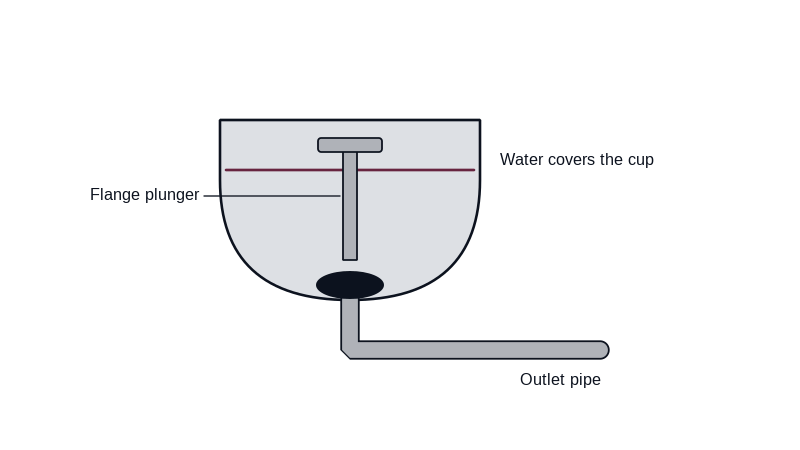
- A flange plunger, which has an extra rubber sleeve tucked inside the cup and pulled out for use. A flat cup plunger seals poorly on a toilet drain.
- Rubber gloves and old towels
- A bucket
- A closet auger (a short toilet snake with a protective sleeve), if the plunger fails
If the toilet is blocked and a second fixture is draining badly too, stop. That points past the toilet, and our page on clearing a blocked drain helps you judge it.
How do I plunge a blocked toilet properly?
Seat the flange plunger in the drain opening with the cup fully underwater, press down softly to push out the trapped air, then pump with firm, even strokes for fifteen to twenty seconds without breaking the seal. Pull back sharply on the last stroke to draw the clog loose. Repeat several rounds before trying anything else.
Some details that make the difference:
- Cover the cup. The bowl needs enough water to submerge the rubber. If the level is low, top it up from a bucket, stopping well short of overflowing.
- Seal first, push second. The first push should be gentle. Slamming it down sends water back at you.
- Use the suction stroke. The pull up is what loosens most clogs, not the push down.
- Check by pouring. Add a bucket of water poured in from waist height. If it drains fast, the line is clear. Flush once to confirm.
Plunging for a few minutes is fine. Plunging for half an hour is not. When the water refuses to move at all, the clog may sit too far down, or be a solid object.
Hot tap water, not boiling, can help soften paper. Boiling water can crack porcelain, so avoid it. Dish soap poured in and left for twenty minutes helps lubricate a stubborn clog.
Avoid chemical drain openers. Toilets are a bad place for them: the liquid sits in the bowl, can burn skin if it splashes, and makes any plumber's work later more dangerous.
When does a closet auger work better than a plunger?
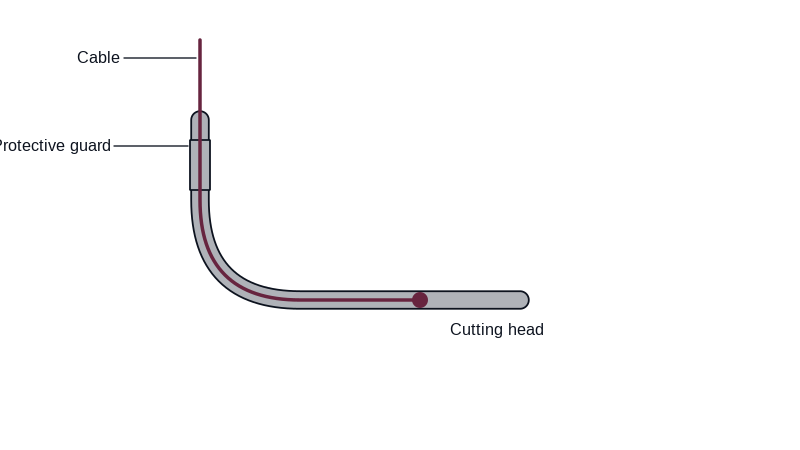
An auger works when the clog is solid, such as a toy, a wad of wipes or a hard lump the plunger cannot move. A closet auger is built for toilets, with a curved tip and a rubber sleeve that protects the porcelain. Feed it in gently, crank until it bites, and pull the obstruction back.
How to use it:
- Retract the auger cable into its tube, place the curved end in the drain opening, and push the tube down.
- Turn the handle clockwise to feed out the cable. Resistance tells you the clog has been reached.
- Keep cranking to snag or break apart the blockage, then withdraw the cable slowly and clean it.
- Flush once to check, and wear gloves throughout.
Do not use a wire coat hanger. It scratches the porcelain, traps debris in the scratch and can jam deeper.
A stuck object that refuses to move can mean pulling the whole toilet up from its flange. That job involves a wax ring and risks sewage on the floor, so many owners hand it to a plumber. Renters should write to the property manager or owner about it.
How can I tell the problem goes beyond the toilet?
If more than one fixture is sluggish or gurgles after a flush, or the toilet clogs again within days, the cause is probably further along, in a branch drain or the main sewer line, and not the bowl. A clog in the line needs a longer cable or camera inspection, which is plumber work.
Signs that the toilet is only the symptom:
- A shower or tub gurgles or backs up when you flush
- Water shows up in the house's bottommost drain
- Several toilets in a home or building are slow at the same time
- The toilet blocks again within a few days of clearing
- A sewage smell near floor drains
In Bell and nearby cities, older homes may have original clay or cast iron sewer laterals that roots and scale narrow over decades. Roots are drawn to joints in older clay pipe. That is a general pattern, not a diagnosis, so a camera inspection shows what you actually have.
A fresh run of leaks or a water bill jump after a clog is a separate matter. See toilet flush repair for weak flushes that are not caused by blockages, and repairing the overflow tube if water rises inside the tank.
Prices are discussed on the page about the bill for a toilet clog. A California contractor license is generally needed for jobs reaching $1,000 and for anything that requires a permit, so bring this up before agreeing to replace sewer pipe.
To hand the job to a local plumber, use the quote form. It is read Monday to Friday between 9am and 5pm.
Common questions
How quickly can a blocked toilet be cleared?
Most simple clogs give way to plunging within five to ten minutes, and an auger adds ten to twenty more. A plumber may need an hour or longer if the bowl has to be lifted from the floor or the blockage sits deeper in the line. A look at the job lets the plumber give a better estimate.
Which questions suit a plumber hired for a clog?
Find out whether the quoted price includes a camera inspection should the clog be outside the toilet, if a visit fee applies, and what happens when the first attempt fails. Ask how they protect the floor, and whether they will repair or reset the toilet if it has to come up. Get the price in writing.
Should I be present while the plumber works?
Yes, someone of adult age ought to admit the plumber, agree the price and inspect the result. If you are away, send someone who can approve work. Tenants usually need the landlord or manager to authorize the visit, so tell them when the plumber is coming and what is being cleared.
Can I flush wipes if the package says flushable?
No. Wipes labeled flushable often do not break up like paper and can block toilets and lines. Only human waste and toilet paper should go down. If a toilet has blocked after wipes, expect a clog that may take an auger, and do not keep flushing to push it along.